Publications
Deep learning and computer vision will transform entomology
We connect recent developments in deep learning and computer vision to the urgent demand for more cost-efficient monitoring of insects and other invertebrates. We present examples of sensor-based monitoring of insects. We show how deep learning tools can be applied to exceptionally large datasets to derive ecological information and discuss the challenges that lie ahead for the implementation of such solutions in entomology. We identify four focal areas, which will facilitate this transformation: 1) validation of image-based taxonomic identification; 2) generation of sufficient training data; 3) development of public, curated reference databases; and 4) solutions to integrate deep learning and molecular tools.
Camera-based monitoring of insects on green roofs [in Danish]
Our study shows that flower resources (pollen and nectar) from green roofs makes up a resource for wild pollinators. The results also demonstrate that image-based monitoring of insects has a large potential in ecological monitoring
Winters are changing: snow effects on Arctic and alpine tundra ecosystems
We found a mismatch in the timing of snowmelt when comparing studies of natural snow gradients with snow manipulations. We found that snowmelt timing achieved by manipulative studies were substantially lower than those observed over spatial gradients or due to interannual variation.
Real-time insect tracking and monitoring with computer vision and deep learning
Our proposed automated system showed promising results in non-destructive and real-time monitoring of insects and provides novel information about phenology, abundance, foraging behaviour, and movement ecology of flower visiting insects.
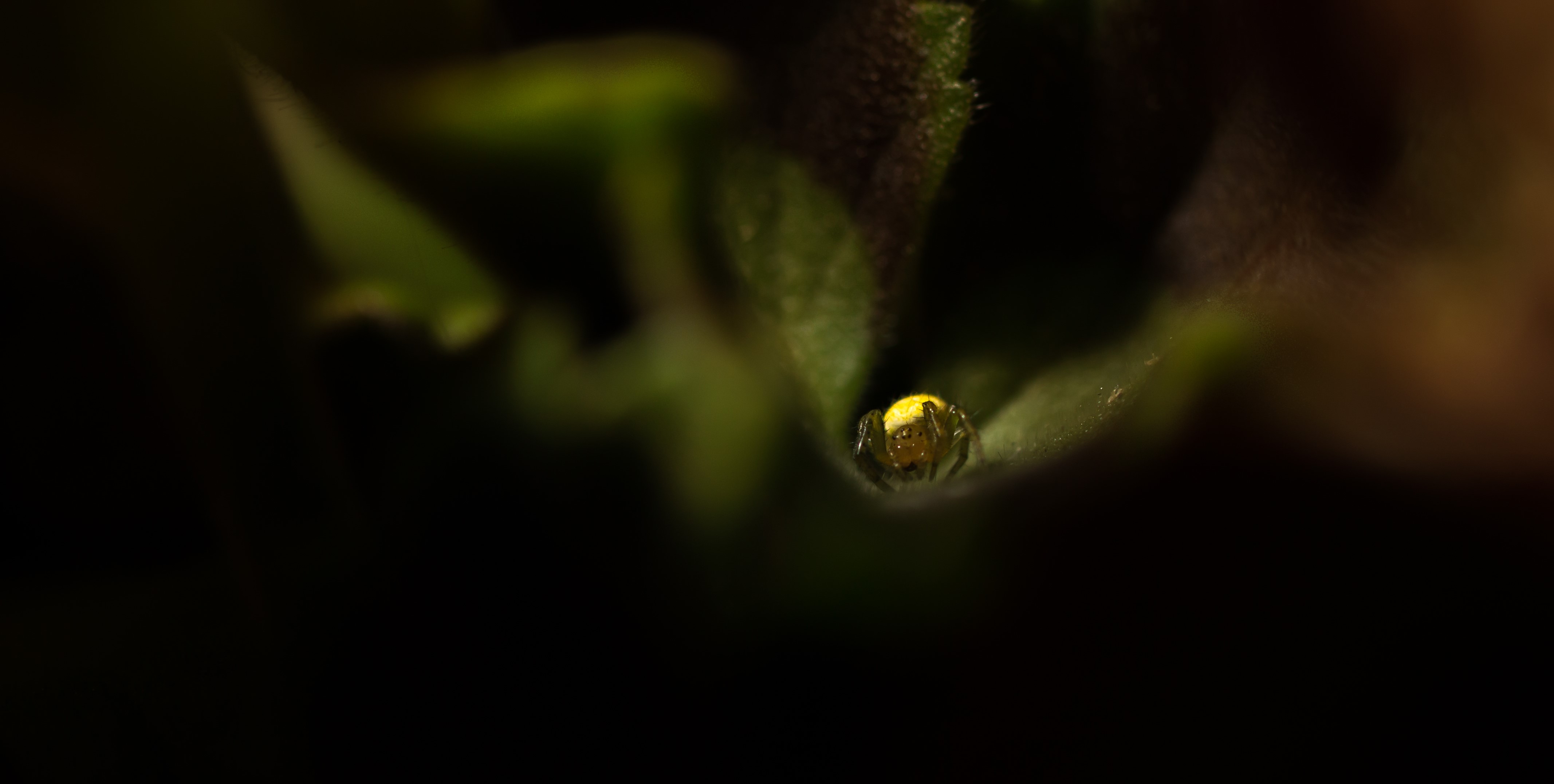
Ant or spider?
For a guest lecture in a course on entomology at Aarhus University, I wanted to give the students a demonstration of how we can use deep learning for taxonomic classification. I trained a neural network to distinguish between ants and spiders. The images for training came from the ImageNet database, the neural network from Google's Teachable Machines, the app was created using the Python library Streamlit and hosting is done with Heroku. In total, a couple of hours work was put into it all.
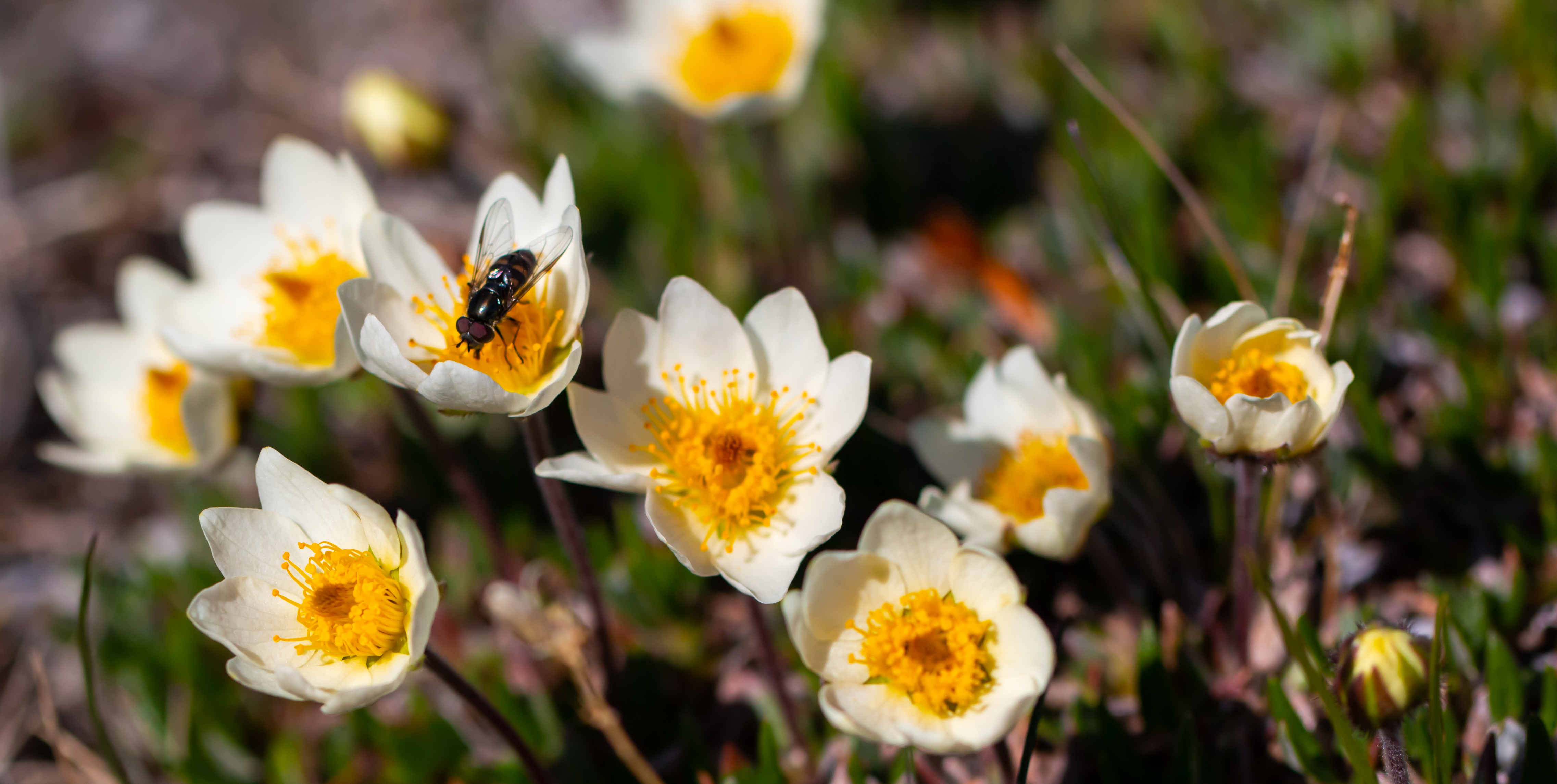
Interactions between species
Interactions between species are ephemeral, yet may have significant ecological consequences. Can we quantify biotic interactions with the help of computer vision and deep learning?
Fieldwork in Greenland
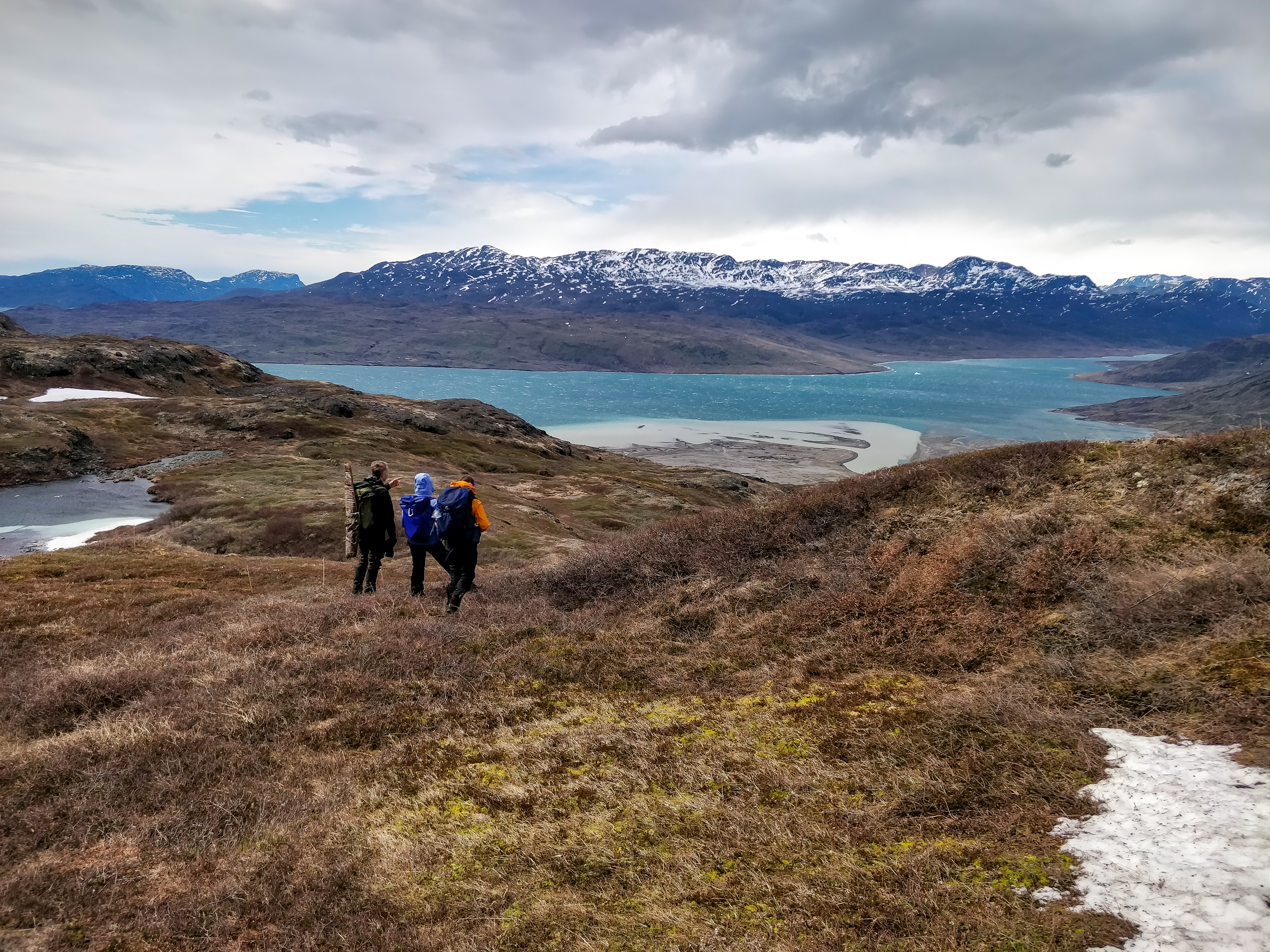
I work with data from a wide range of Arctic field sites inlcuding Greenland, Svalbard, Alaska, Iceland, and others. A lot of collaborators help with setting gear up and maintaining it during the season when we cannot be at the field site ourselves. The sites are often remote and challenging to get to.
Paper out now in a PNAS special issue
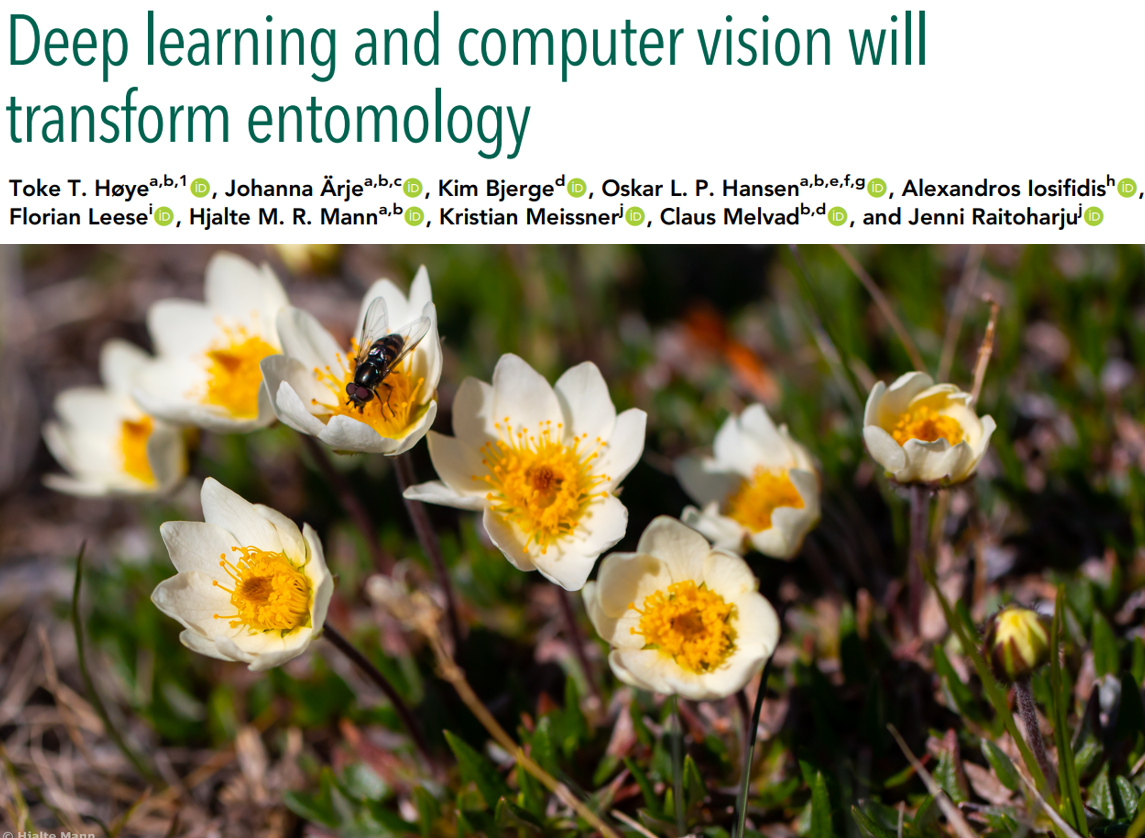
Entomology is not just dusty old museum collections and insects on needles (nothing wrong with either). It is also cutting-edge technology, big data and AI. The vast number of insect species and the challenging task of studying them makes entomology the perfect playground for collaborative efforts, in this case between biologists, statisticians, and mechanical, electrical and software engineers.