In a recent experiment with a Generative Adversarial Network (GAN) I scraped the web for images of butterflies and trained the network to produce images of fake butterflies. This timelapse video shows interpolations between random points in the latent space of the model. The degree of variation produced by the single model is impressive! GANs are sometimes used for production of artficial data that can be used to train e.g. image classification of object detection networks. If you want to read more about GANs and what they are capable of, click the button below.
For a guest lecture in a course on entomology at Aarhus University, I wanted to give the students a demonstration of how we can use deep learning for taxonomic classification. I trained a neural network to distinguish between ants and spiders. The images for training came from the ImageNet database, the neural network from Google's Teachable Machines, the app was created using the Python library Streamlit and hosting is done with Heroku. In total, a couple of hours work was put into it all.
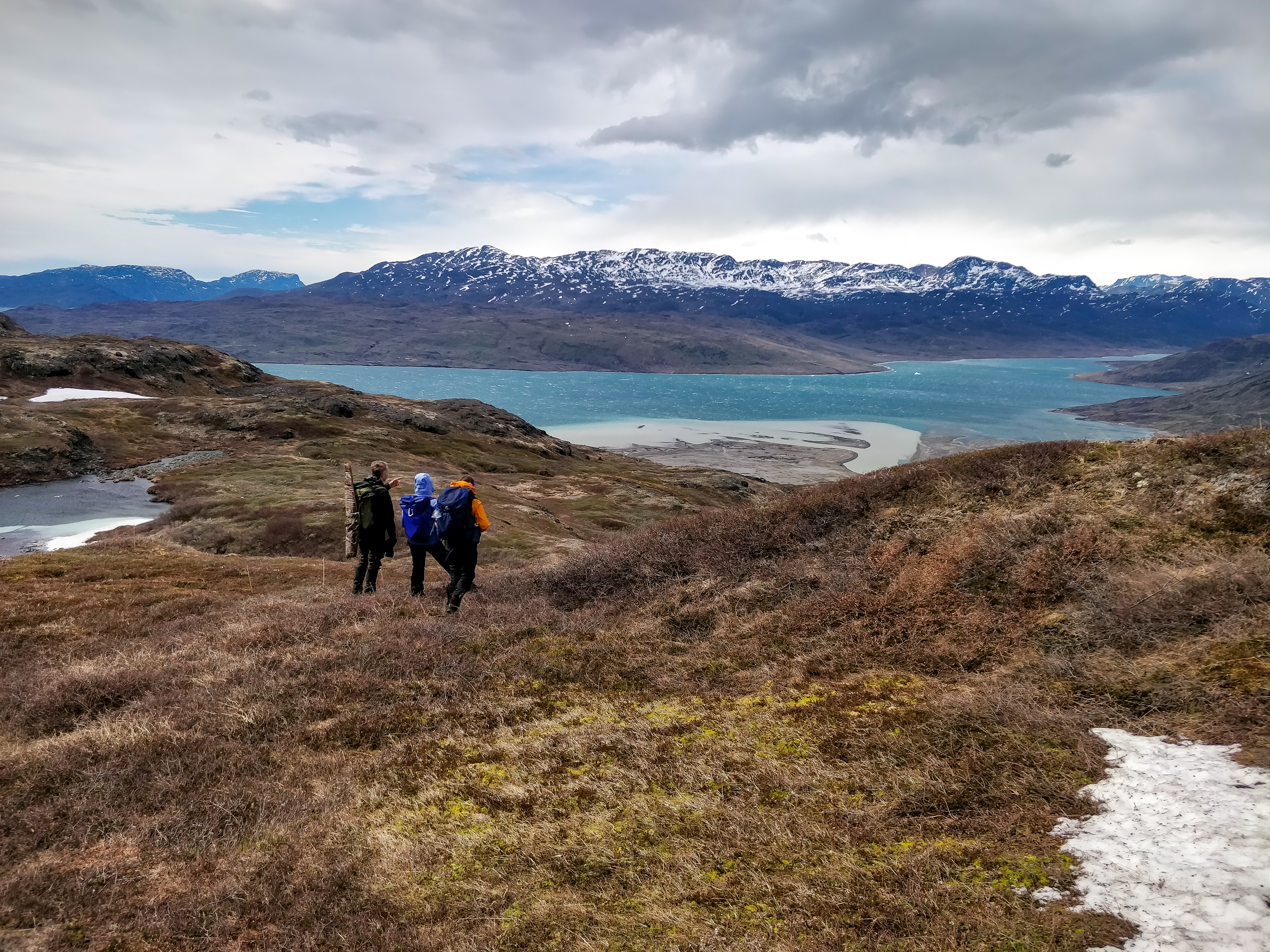
I work with data from a wide range of Arctic field sites inlcuding Greenland, Svalbard, Alaska, Iceland, and others. A lot of collaborators help with setting gear up and maintaining it during the season when we cannot be at the field site ourselves. The sites are often remote and challenging to get to.
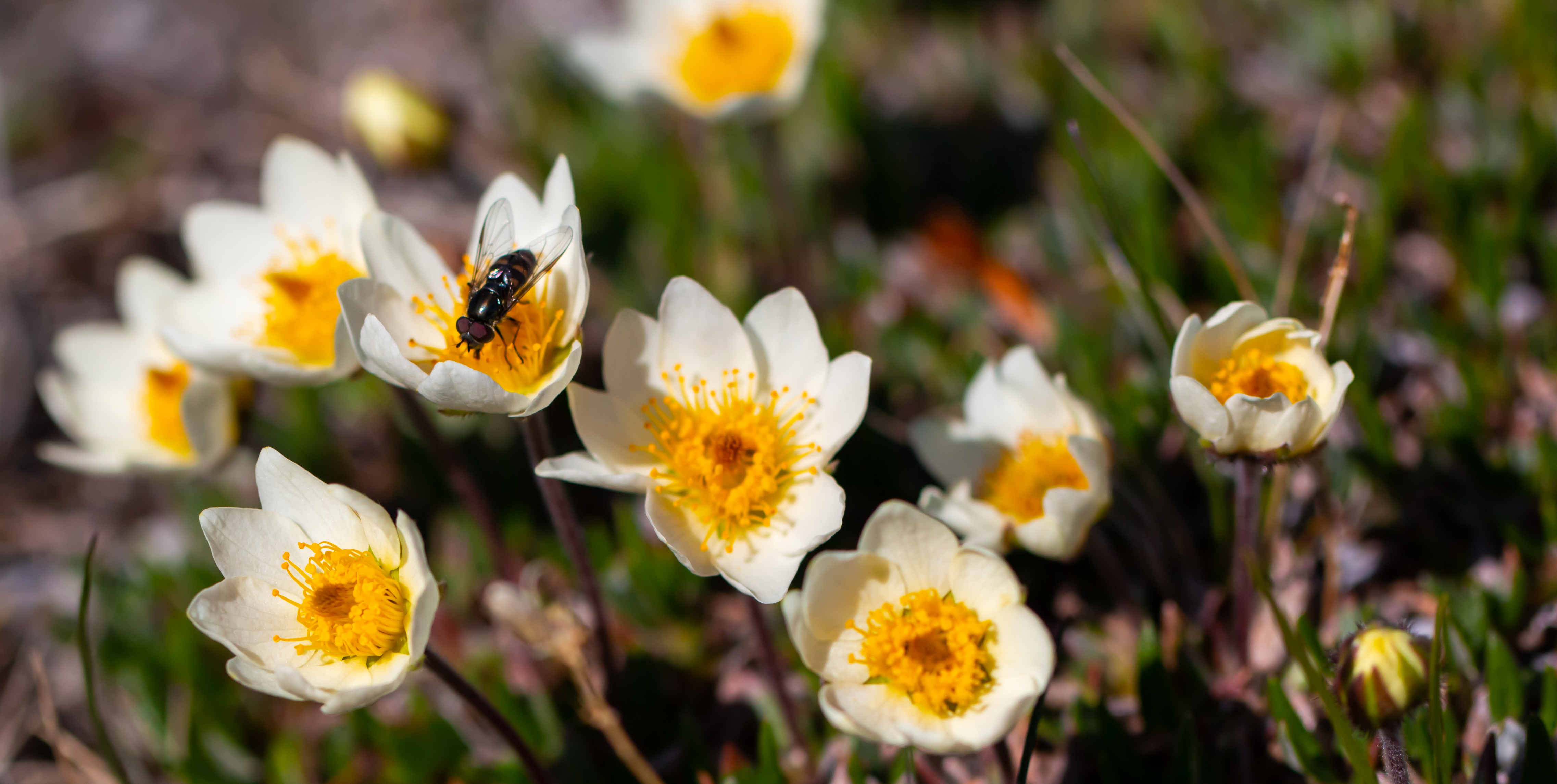
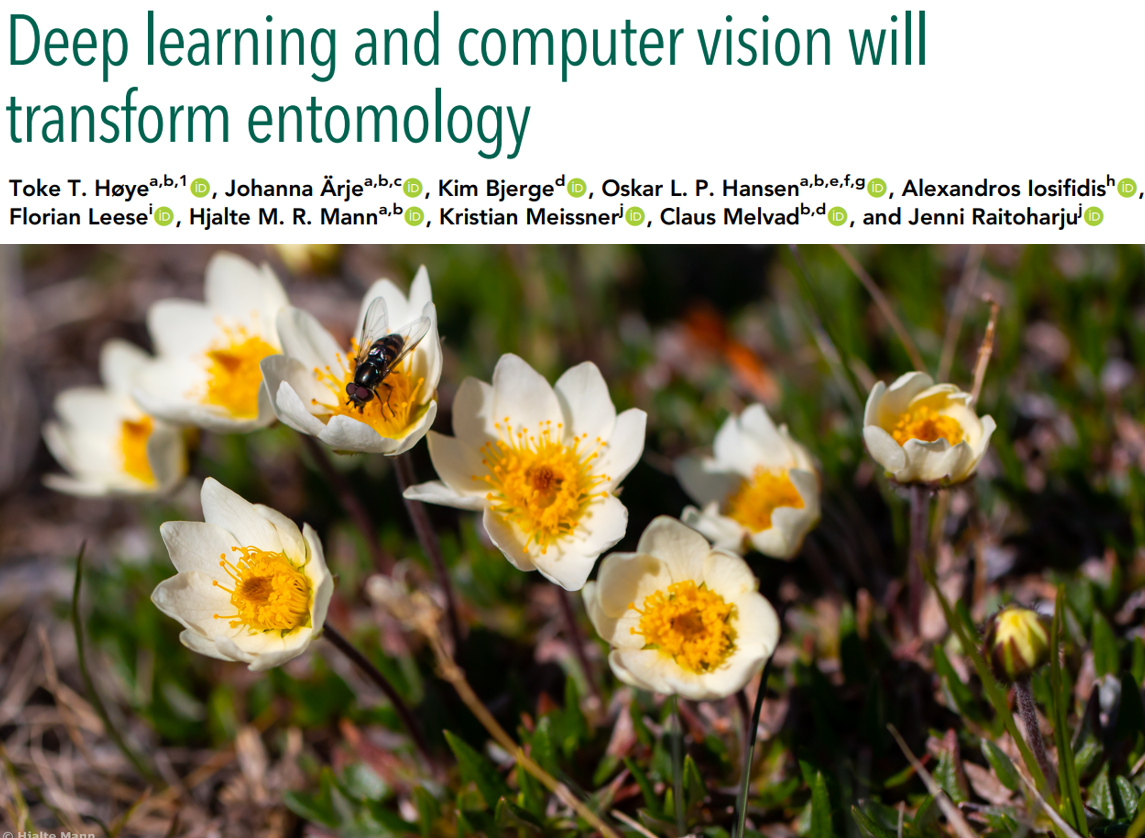
Entomology is not just dusty old museum collections and insects on needles (nothing wrong with either). It is also cutting-edge technology, big data and AI. The vast number of insect species and the challenging task of studying them makes entomology the perfect playground for collaborative efforts, in this case between biologists, statisticians, and mechanical, electrical and software engineers.